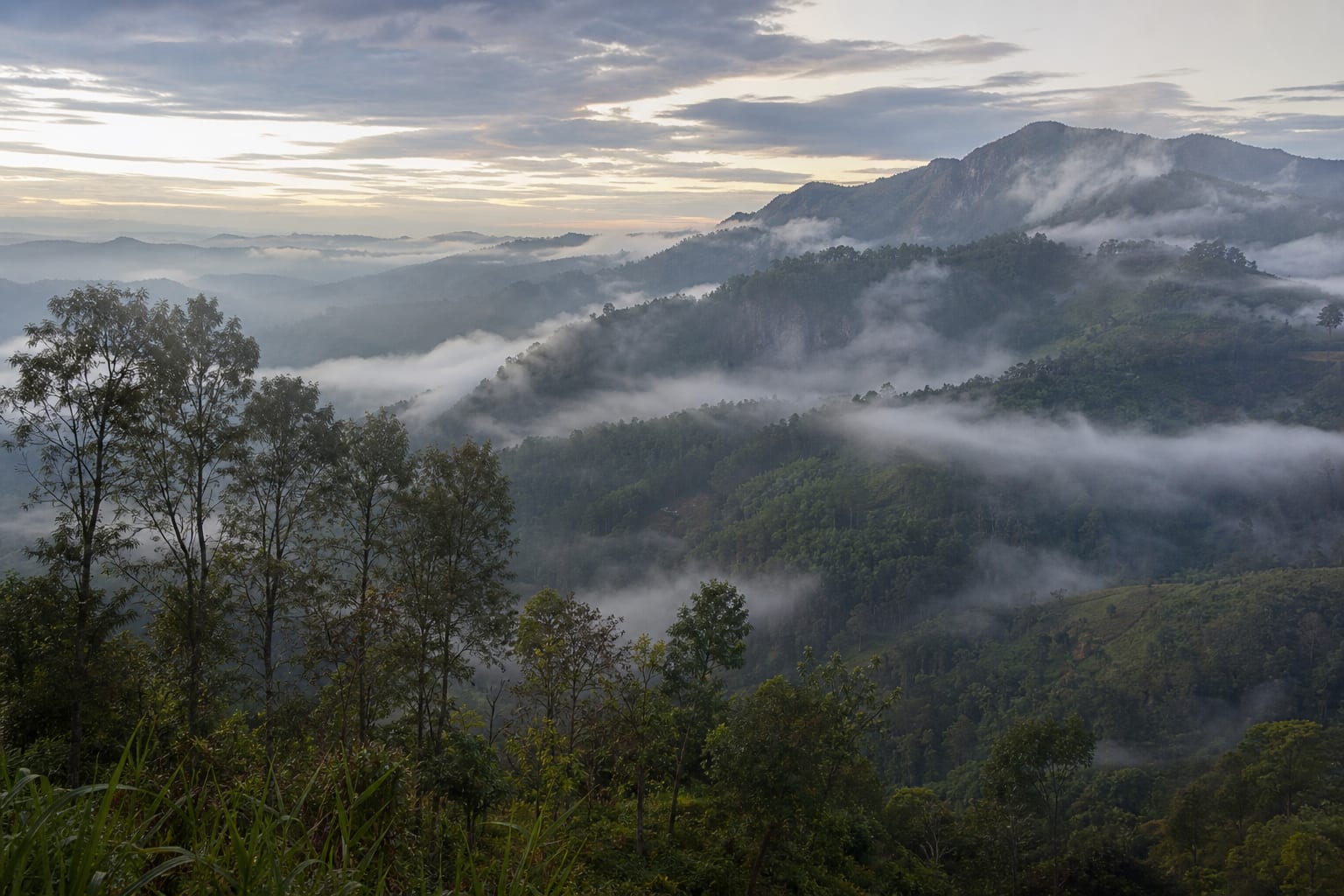
The honest version of things to do in Ella, Sri Lanka: which hikes earn the early start, when the bridge is quiet, and what to skip.
By half past eight the viewing bank above the Nine Arch Bridge holds maybe sixty people, most of them holding a phone at arm's length, all waiting for the same train. A woman sells king coconut from a cool box. Someone's drone goes up, and a guide asks them to bring it down.
That scene is the reason most lists of things to do in Ella, Sri Lanka are worth so little. They tell you where to stand. They don't tell you that the bridge is quiet at seven, that the Ella Rock trail forks twice without a sign, or that the town's finest hour has nothing to do with any of the landmarks. So here is the version organised by what a day actually costs you: the early start, the walking, the weather, and the things that are honestly fine to skip.
Ella sits at around 1,040 metres in Uva Province, which is why the mornings are cold enough for a jumper and the afternoons often aren't. The whole town is walkable in fifteen minutes. Everything below is within an hour of it.
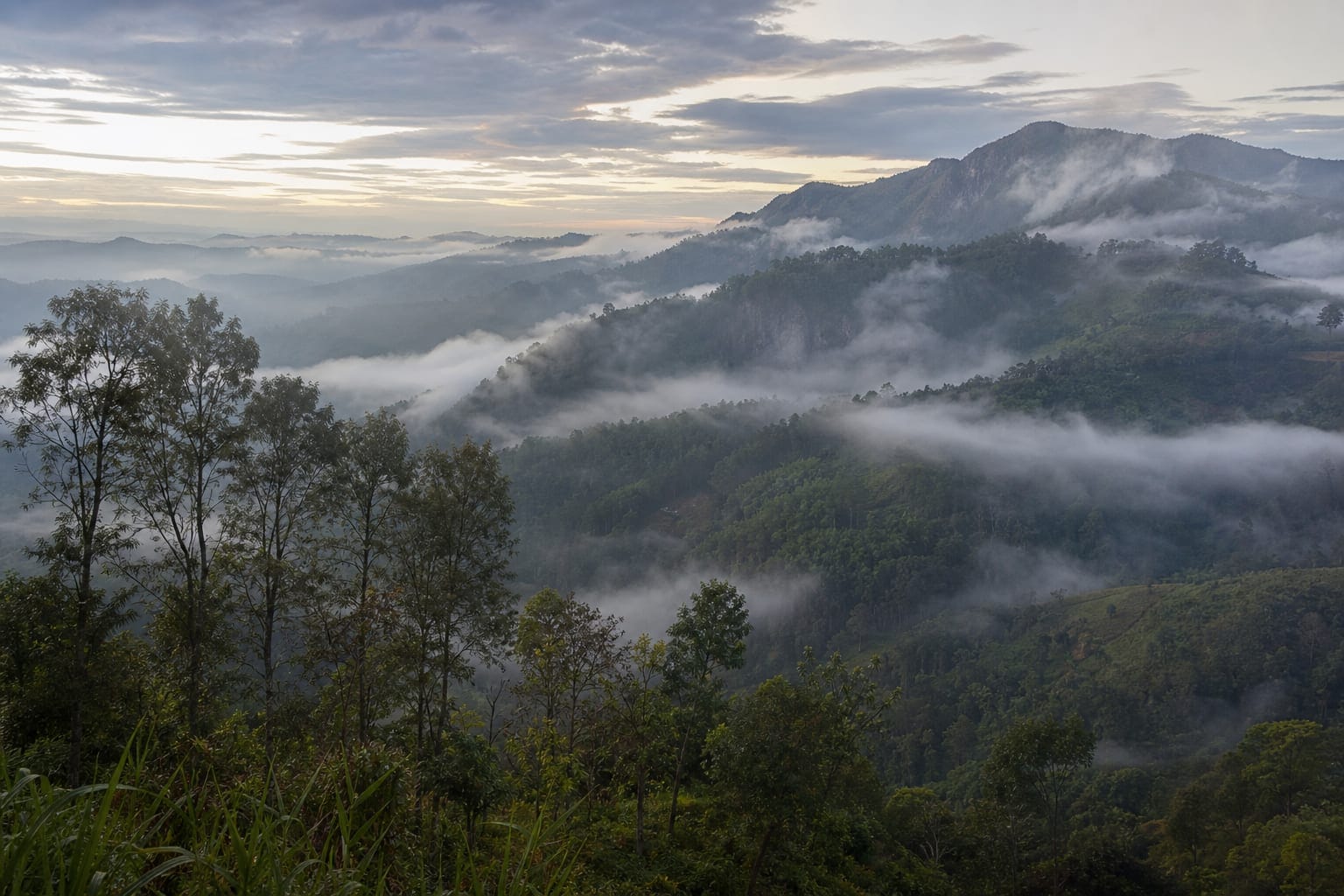
When does the train actually cross the Nine Arch Bridge?
Six trains a day run the Ella to Demodara stretch that crosses the bridge, but the times shift with the season and with whatever is happening further up the line. Nobody should hand you a fixed timetable for this, and you should be suspicious of any guide that does. Ask at Ella station the afternoon before, or ask whoever runs your guesthouse — they check often enough to be right.
What matters more than the exact minute is which side of the crowd you want to be on. Before about eight the bank is nearly empty and the light comes in low along the arches. By mid-morning it's a queue. The bridge itself was built during the British period without structural steel, which is the detail every guide repeats, and it is genuinely more interesting standing underneath it than photographing it from the ridge.
Walk in from the Ella side and it's roughly twenty minutes downhill on a footpath through tea. Going back up is the part people underestimate.
Is the Ella Rock hike worth it?
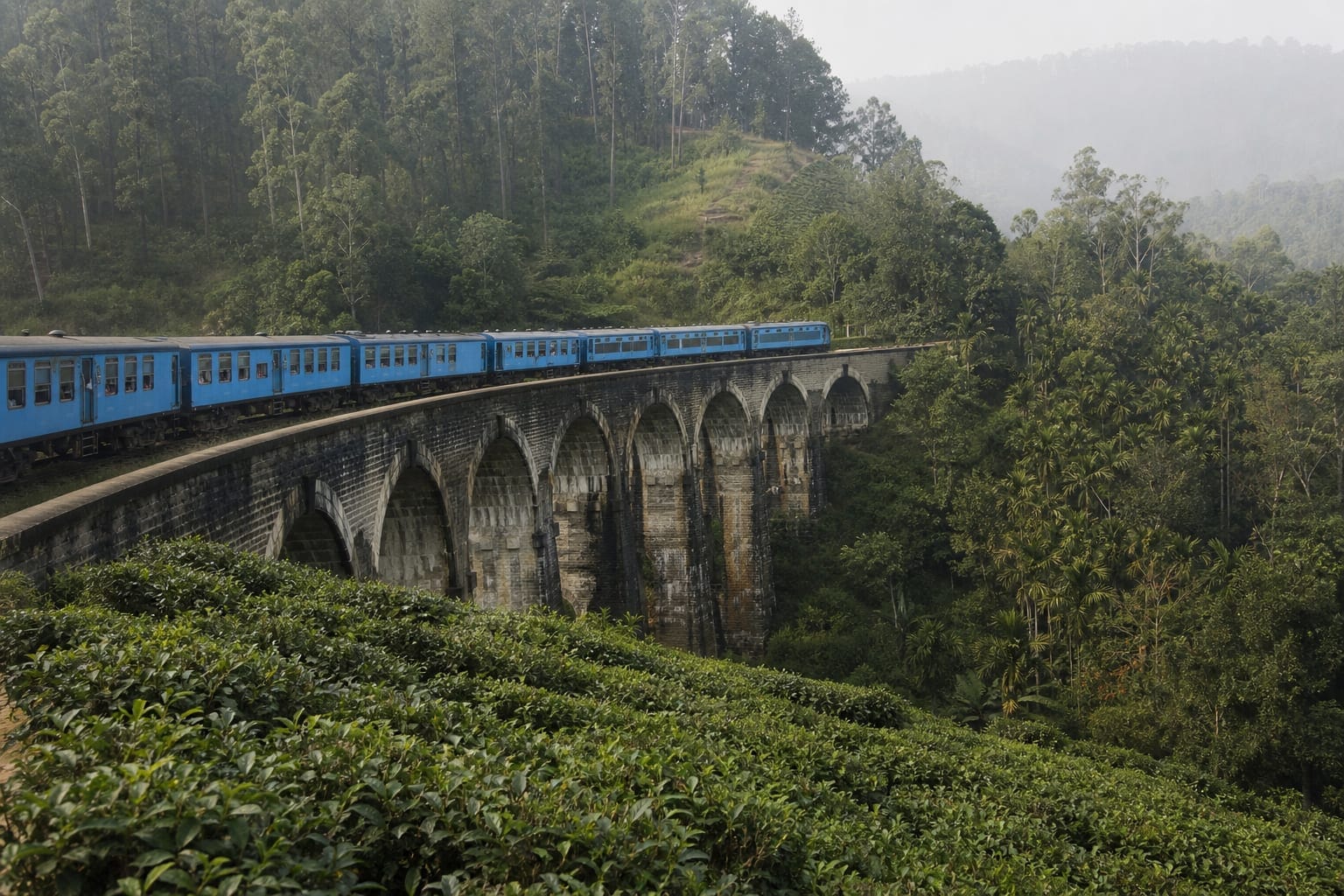
Yes, but it is the one thing here that people regularly get wrong. Ella Rock is not a viewpoint you stroll to. You follow the railway line out of town, drop off it at the right place, cross a stream, and climb through eucalyptus and tea to a flat top that looks back over the whole valley toward Ella Gap.
Two things make it hard. The route is unmarked at the points where it matters, and there are at least two forks where the obvious path is the wrong one. The second is that published timings vary wildly — some guides say two hours round trip, others four. TODO: put your own honest time here, measured door to door, including the stops. That single number is more useful than everything else on this page.
People will offer to guide you at the trailhead. Sometimes that is a genuine local service and sometimes it is an unnecessary fee for a path you could follow; the difference usually comes down to whether it has rained. In wet conditions the descent is slick red mud and a guide is money well spent.
Should you do Little Adam's Peak instead?
If you have one morning and want the view without the navigation, yes. Little Adam's Peak is the shorter, gentler climb — a made path most of the way, a set of steps near the top, and a ridge that runs out toward the same valley Ella Rock looks across. It is the one hike here that works for most fitness levels and for children.
The honest comparison: Ella Rock gives you a better view and a real walk. Little Adam's Peak gives you eighty percent of the view for a third of the effort, and you can be back in town for breakfast. If you only do one and you are not a confident walker, do this one.
Both are better at sunrise than sunset, and not only for the light — the valley usually fills with cloud through the afternoon, and a two o'clock summit can mean standing in white nothing.
Is Ravana Falls worth stopping for?
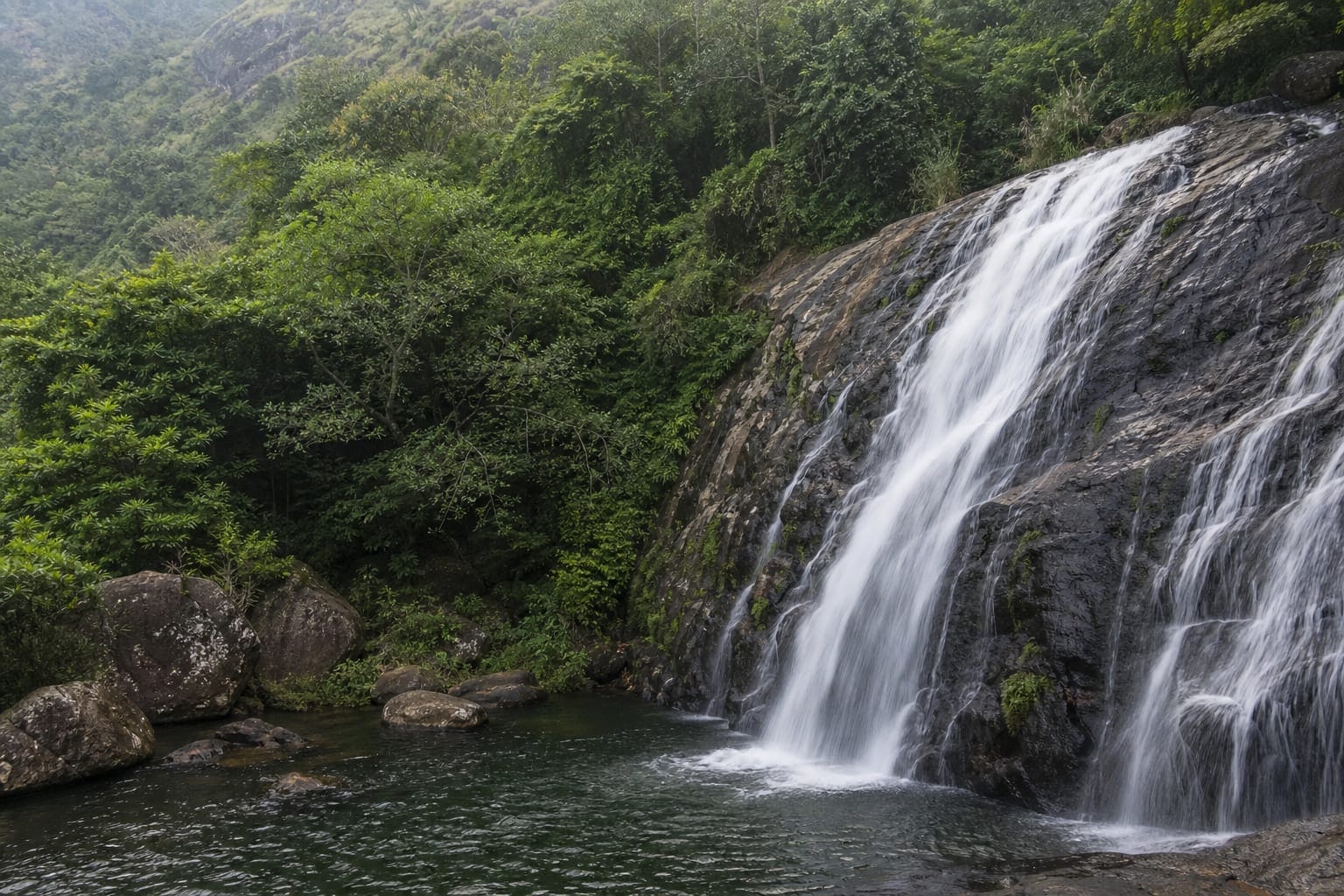
Ravana Falls is directly beside the Wellawaya road, which is both its appeal and its problem. You can see it from the car. So can everyone else, and the pull-in is lined with vendors and monkeys that have learned exactly what a plastic bag means.
It is worth ten minutes on the way past. It is not worth planning a day around, and the pools at the base are not as safe for swimming as the crowds suggest — the flow changes quickly after rain upstream. If you want water that earns a detour, the falls further south around Diyaluma are a different proposition entirely, and closer to what this site exists to cover. TODO(internal-link): point this at the Diyaluma guide once it is published.
For the wider set of falls in this part of the island, our roundup of waterfall guides covers the ones that need a village guide rather than a car park.
When is the best time to visit Ella?
December to February is the reliable window, and March through June is the other dry stretch. Uva catches the northeast monsoon, so the wettest months here are not the wettest months on the west coast — a fact that catches out travellers who plan a whole trip around one season.
What that means in practice:
- December to February. Cold mornings, clear light, the busiest trains and the highest room rates. Book the train ahead.
- March to June. Warm, generally dry, noticeably quieter than the peak. Probably the best trade-off.
- October and November. The wettest. Trails turn to mud, leeches appear in the wet stretches, and the views you came for spend a lot of time inside a cloud.
Even in the dry months, the pattern holds most days: clear early, building cloud by late morning, rain in the afternoon. Plan every hike for the first half of the day and you will rarely be disappointed.
How many days do you need in Ella?
Two full days covers the town properly — one for a hike and the bridge, one for the train or a slower morning. A third day is only worth it if you use it to leave: Ella works best as a base for the valleys around it rather than as a destination you stay inside.
The arrival is half the point, though this is where a lot of older advice is now wrong. Cyclone Ditwah damaged the upcountry line in late November 2025, and the Kandy end has not reopened. The scenic Nanu Oya to Badulla section through Ella came back on 20 June 2026, so the ride still exists — it just starts further up the line than the guidebooks say. We cover what is actually running in the Kandy to Ella train guide. Check the current position before you build a day around it.
What is overrated in Ella?
The zip line and the tuk-tuk tours that bundle four sights into one rushed morning. Both exist because Ella has become a place people pass through in thirty-six hours, and both are designed around that constraint rather than around the valley.
The other thing worth saying plainly: Ella is no longer hidden. It has hotels, cafés with oat milk, and a queue at the bridge. That is not a reason to skip it — the geography is still the geography — but if you came looking for the quiet version, it is one valley further out. Haputale, Idalgashinna and Ohiya are all within an hour, and all still belong mostly to the people who live there. That is the subject of Haputale.
For the wider picture of the area, including where to stay and what to eat, see our Ella destination guide.
Start at first light, keep the afternoon free for the weather to do what it does, and take the train at least one way.